
Rising energy bills are a challenge for many Australian households, especially during summer and winter extremes. If your air-conditioning or heating is working overtime, untreated windows could be part of the problem.
Home window tinting is a simple and effective way to reduce energy loss and improve indoor comfort. By blocking solar heat in warmer months and helping to retain warmth during cooler weather, quality window films can cut your energy costs by up to 30%.
The benefits go beyond energy savings. Tinted windows also reduce glare, protect furnishings from UV damage, and enhance your home’s privacy. The result is a more efficient and comfortable living environment all year round.
At TintGard, we provide professional window tinting for Australian homes using high-performance films and expert installation. In this guide, we’ll show how window tinting works, highlight the energy-saving benefits, and explain why it’s a smart upgrade for your home.
What Is Home Window Tinting?
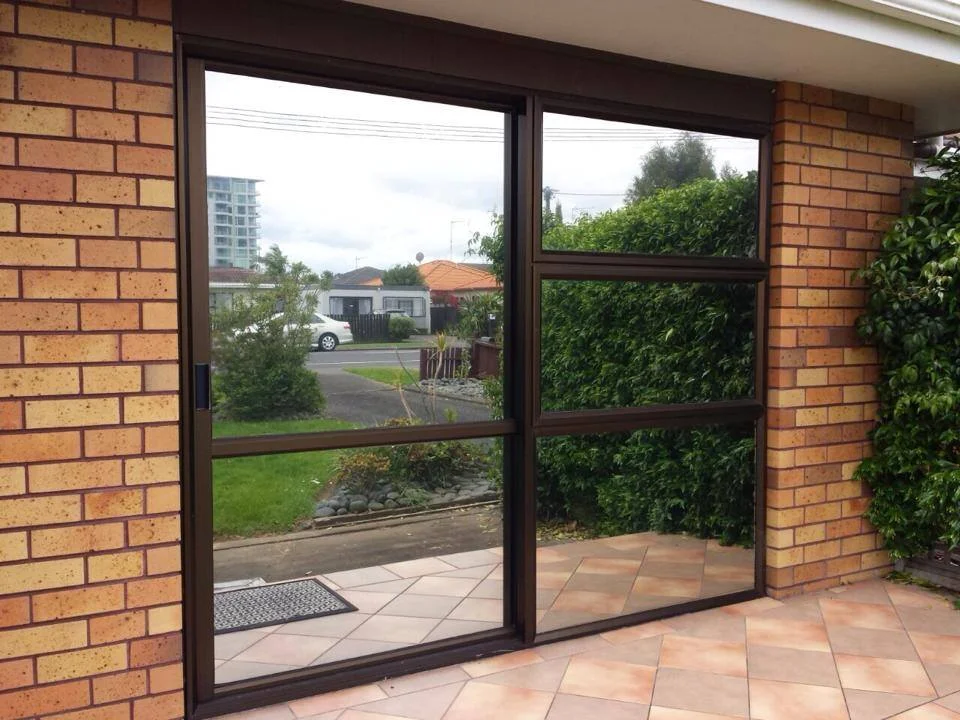
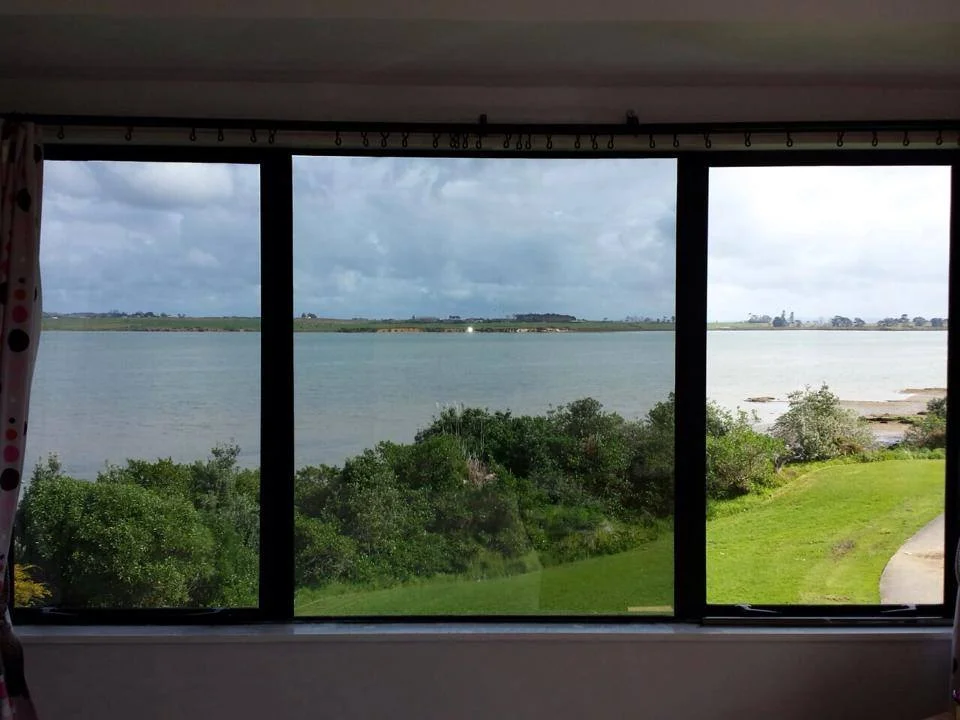
Home window tinting is the process of applying a thin, multi-layered film to the interior surface of your windows. These films are designed to reduce heat, cut glare, block harmful UV rays, and improve overall energy efficiency without compromising your view or natural light.
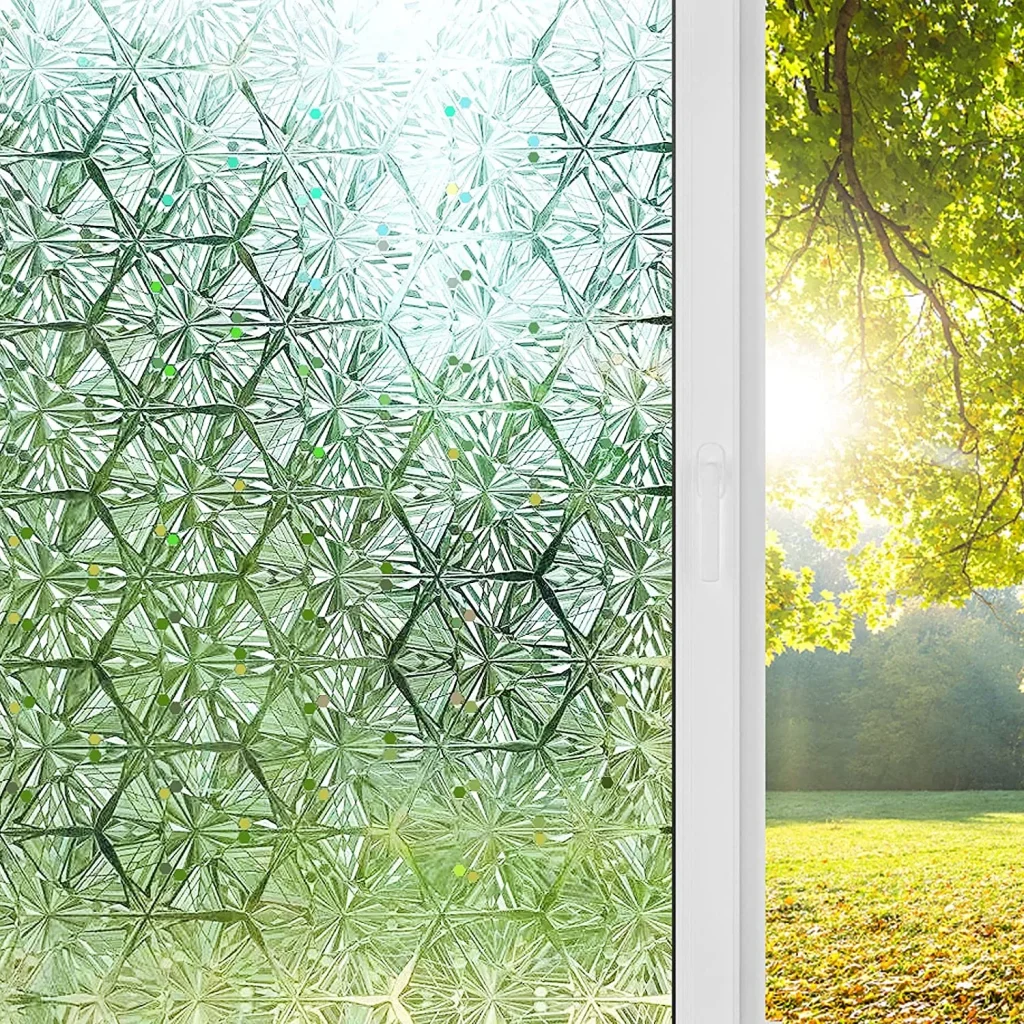
There are different types of films to suit different homes. Some are focused on solar control, helping to keep indoor spaces cooler in summer. Others offer insulation benefits for year-round performance. There are also privacy and decorative films that enhance the look and feel of your home while still providing functional benefits.
Choosing the right film depends on your location, home layout, and the specific comfort goals you’re looking to achieve.
How Home Window Tinting Reduces Energy Use
Windows are one of the main sources of heat gain and loss in a home. In summer, sunlight pours through untreated glass, quickly raising indoor temperatures. In winter, warmth escapes through the same windows, forcing your heater to work harder. Home window tinting helps to manage both.
By reflecting a significant portion of solar heat and blocking up to 99% of UV rays, window films reduce the amount of heat that enters your home during the hotter months. This helps keep rooms cooler and reduces the need for constant air-conditioning. In cooler seasons, certain films also provide insulation by helping to retain indoor warmth.
The result is a more stable indoor temperature throughout the year, which means your heating and cooling systems don’t have to work as hard or as often. This leads to lower energy use and noticeable savings on your power bill.
Save Up to 30% on Your Energy Bills
Reducing energy costs is one of the most practical benefits of home window tinting. By controlling the amount of heat that enters and escapes through your windows, quality window films help lower the demand on your cooling and heating systems throughout the year.
Many Australian homeowners see savings of up to 30% on their energy bills after installing window tint. These savings depend on factors like window size, orientation, film type, and your local climate. Homes with large glass areas or high sun exposure tend to see the most noticeable results.
Window tinting not only helps reduce day-to-day running costs but also improves long-term energy efficiency. Over time, this can deliver a solid return on investment while making your home more comfortable and cost-effective to run.
Window Film Offers More Than Efficiency
While reducing energy bills is a major advantage, home window tinting also offers a range of other benefits that improve everyday living at home. For example, in architect-designed homes such as Wood Architecture’s Lurline Bay Residence, large expanses of glazing are a key feature. Window films help soften glare without compromising design intent, ensuring spaces stay bright, protected, and energy-efficient.
Reduce glare: Glare from direct sunlight can make it difficult to watch TV, work on a computer, or relax comfortably during the day. Window films help soften harsh light without blocking your view or relying on heavy curtains.
Block harmful UV rays: High-quality window films can block up to 99 percent of ultraviolet rays. This protects your floors, furniture, and other interior surfaces from premature fading and sun damage.
Improve privacy: Certain films provide added daytime privacy by limiting outside visibility into your home. This is ideal for street-facing windows or open living areas where you want natural light without compromising privacy.
Support glass safety: Some films add an extra layer of protection by helping to hold glass together if it shatters. This reduces the risk of injury during accidents and can help deter break-ins.
Together, these benefits create a more comfortable, secure, and functional home environment, while also supporting long-term value and protection.
Choosing the Right Window Film for Your Home
Not all window films are the same. The best option for your home depends on your location, the direction your windows face, and the specific results you’re aiming for.
| Film Type | Best For | Key Benefits | Ideal Locations |
| Solar Control Film | Hot climates and sun-exposed areas | Blocks heat, reduces glare, lowers cooling costs | North- and west-facing windows |
| Low-E Film | Year-round insulation | Reflects heat in summer, retains warmth in winter | Homes in cooler regions |
| Privacy Film | Enhancing daytime privacy | Reduces visibility from outside, maintains natural light | Bathrooms, street-facing rooms |
| Decorative Film | Aesthetic upgrades | Frosted or patterned designs, added style and light diffusion | Entryways, glass doors, feature windows |
| Safety & Security Film | Added protection for glass | Holds shattered glass together, strengthens windows | Sliding doors, ground-floor windows |
Professional advice can help ensure the film you select is matched to your home and installed to deliver the best possible results.
Long-Term Value and Return on Investment
Home window tinting goes beyond improving comfort. It’s a practical investment in your home’s energy performance and overall value. By lowering energy use, reducing strain on heating and cooling systems, and protecting interiors from UV exposure, window film delivers lasting benefits.
Many households start to see a return on investment within just a few years. The exact timeline depends on factors such as home size, climate, and current energy consumption. Homes in warmer regions with higher cooling demands often notice faster savings.
In addition to lower power bills, window tinting can help preserve the condition of furniture, flooring, and electronics. Reducing the workload on your air-conditioner or heater may also decrease maintenance needs and extend the life of your equipment.
Compared to major renovations like installing double glazing or upgrading insulation, window tinting is a cost-effective solution that offers noticeable results with minimal disruption.
Upgrade Your Home with Window Tinting
Home window tinting is a smart way to improve energy efficiency, reduce power bills, and create a more comfortable living environment. With benefits that include heat reduction, UV protection, improved privacy, and long-term savings, it’s a practical upgrade for homes across Australia.
If you’re looking to reduce energy costs and enhance your home’s performance, TintGard offers a range of premium window films and professional installation services designed specifically for Australian conditions. Our experienced team ensures every installation meets the highest standards, with results you can see and feel.
To find the right film for your home, contact TintGard for expert advice and a no-obligation quote.