
When it comes to car window tinting, not all films perform the same. Choosing between ceramic vs. carbon tint can make a big difference in how comfortable, protected, and stylish your car feels on the road, especially when considering superior heat rejection.
When it comes to Ceramic window tinting, ceramic tints deliver high heat rejection, excellent UV protection, and clear visibility without interfering with signals. They are renowned for their long-lasting performance and premium finish. Carbon tint, on the other hand, offers reliable UV and heat protection with a sleek matte appearance and strong durability at a more accessible price point.
This guide breaks down the differences between carbon and ceramic tints so you can make the best choice for your vehicle, lifestyle, and the demands of the Australian climate.
Why Tinting Your Car Windows Is Worth It
In Queensland’s harsh conditions, car window tinting is not a luxury. It is a practical upgrade that helps protect your vehicle and your car’s interior, your comfort, and your safety.
UV Protection
High-quality films block up to 99% of harmful UV rays. This reduces your risk of sun damage and helps preserve leather, vinyl, and plastics inside the car.
Heat Rejection
Window tint limits the buildup of solar heat inside the cabin. You will notice the difference when you step into your car on a summer day with more terrific seats and a more comfortable drive.
Glare Reduction
Tinting reduces glare from sunlight and headlights, improving visibility and reducing driver fatigue. Clearer road views lead to safer driving, especially during early mornings or late afternoons.
Interior Protection
Sun exposure can crack dashboards, fade upholstery, and wear down surfaces over time. A quality tint helps shield your interior from long-term sun damage.
Privacy and Theft Deterrence
Darkened windows reduce visibility into your car, offering added privacy and making it less attractive to opportunistic thieves. It is a simple and effective layer of everyday security.
If you spend time on the road or regularly park outside, tinting your windows offers benefits that enhance your driving experience and protect what matters most inside your vehicle.
How Ceramic Window Tint Works
Ceramic tint is designed for drivers who want top performance with a clean, clear finish. Made with nano-ceramic particles, it offers strong heat rejection, glare control, and UV protection without the use of metals or dyes.
This film blocks a high level of infrared heat, helping to lower cabin temperatures and ease the load on your air conditioning. It also filters up to 99 per cent of harmful UV rays, protecting your skin and preventing fading of your interior. With no metal content, it will not affect mobile signals, GPS, or electronics.
What Makes Carbon Tint a Smart Choice
Carbon window tint is a dependable option that offers solid performance and a matte, non-reflective look. It is well-suited for drivers who want protection and style without a premium price.
Made with carbon particles instead of dyes or metals, this carbon film tint blocks infrared heat and harmful UV rays, keeping your cabin cooler and its interiors safer. It also resists fading and holds its colour well, even with constant sun exposure.
Because it is non-metallic, carbon tint will not interfere with phone, GPS, or radio signals. It provides privacy, style, and long-lasting protection at an affordable cost.
Comparing Ceramic and Carbon Tint Options
| Feature | Ceramic Tint | Carbon Tint |
| Heat Rejection | Higher level of infrared heat reduction | Moderate heat reduction |
| UV Protection | Blocks up to 99% of harmful UV rays | Offers strong UV filtering |
| Signal Interference | No impact on GPS, phones, or electronics | No interference with devices |
| Appearance | Clean, clear, and non-reflective | Deep matte finish with a bold look |
| Durability | Resists fading, peeling, and bubbling | Holds colour well, long-lasting |
| Cost | Premium price point | More budget-friendly |
| Visibility | Excellent clarity day and night | Slightly darker appearance, less clarity |
| Best For | Maximum comfort and long-term performance | Everyday protection and value |
When comparing carbon vs ceramic tint, both offer clear benefits. Ceramic tint vs carbon tint comes down to priorities. Ceramic provides more decisive heat rejection, better clarity, and the highest UV protection. Carbon still delivers solid everyday performance with a bold look at a more affordable cost.
Deciding between ceramic or carbon tint for value or for top performance, both are reliable window tinting solutions built for Australian conditions.
Finding the Right Window Tint for Your Needs
If you want the best in heat reduction, UV protection, and clarity, ceramic is often the premium choice.
On the other hand, if you’re looking for reliable performance at a lower price point, carbon tint is a smart option. It offers strong protection, a stylish finish, and long-lasting durability.
Both films are designed to withstand Australian weather and keep your car looking sharp. The decision between ceramic vs carbon tint depends on your budget, usage, and expectations.
Making the Best Tint Choice for Your Car
When it comes to choosing between carbon tint vs ceramic, both are excellent investments. Ceramic offers the highest level of comfort, protection, and longevity, while carbon delivers strong all-around performance and value.
Whichever you pick, the install matters as much as the film — see what a professional car window tinting job includes.
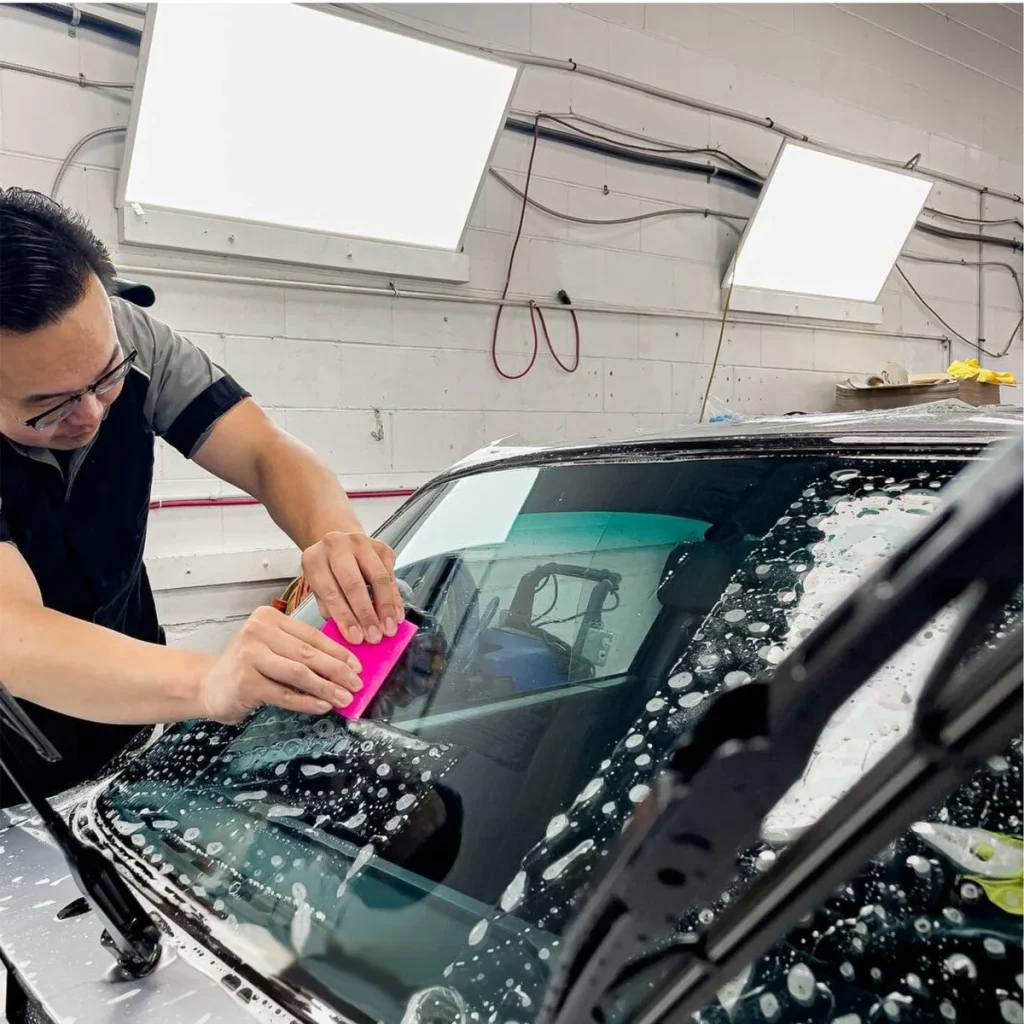
Proper installation is key to maximising the benefits of your tint. Our team provides expert advice and professional application, so you can achieve maximum results with your chosen film. Browse our range of high-performance window films. Call 07 3133 1969/ 0431 320 770 or email us at info@tintgard.com.au, and we will help you choose the best option for your vehicle. Get in touch today.
Frequently Asked Questions
What is the main difference between carbon and ceramic tint?
Ceramic film blocks more infrared heat and UV rays compared to carbon, making it a higher-performing option. Carbon tint still provides excellent protection with a bold matte look at a more affordable cost. If you want great value without compromising on style, carbon tint is a strong choice.
Does ceramic tint last longer than carbon tint?
Ceramic is generally more resistant to fading and peeling, but carbon window tint films are still highly durable and built for long-term use. When professionally installed, carbon tint will hold its colour and performance for years. We ensure every installation is done correctly to maximise lifespan.
Will carbon or ceramic tint affect my phone or GPS signal?
Neither ceramic nor carbon film tint interferes with mobile phones, GPS, or radio signals. Carbon uses non-metallic tints, ensuring smooth connectivity. With professional installation, you can enjoy all the benefits of tint without losing signal strength, especially for electronic devices.
Which tint is better for hot climates like Queensland?
Ceramic usually blocks more heat and visible light transmission, but the carbon tint still performs very well under the Queensland sun. Carbon films are known for blocking infrared light, which is the leading cause of heat inside your car. It keeps your car cooler, even under intense heat, protects your interior, and reduces glare while staying cost-effective. Many car owners prefer carbon because it strikes a balance between comfort and value.
Is carbon tint worth it compared to ceramic?
Yes. While ceramic has its advantages, carbon tint delivers reliable UV protection, heat control, and a modern matte finish at a lower price point. Carbon particles embedded in the film to reject heat and block UV rays. It is a wise choice for everyday drivers who want durability and performance without overspending.